
8 Simple Ways to Improve Comfort in Your Outdoor Setup
When people set up an outdoor space, they usually get excited about how it looks. The furniture, the layout, maybe some plants on the side—it all starts coming together nicely. At that point, everything feels done. But then comes the real test.
You go outside, sit down, and within a few minutes, something feels… off. Not terrible, just not relaxing enough. You adjust your position once, then again, and after some time, you end up going back inside without even realizing why. I’ve seen this happen more times than people admit. The setup looks perfect, but it doesn’t invite you to stay.
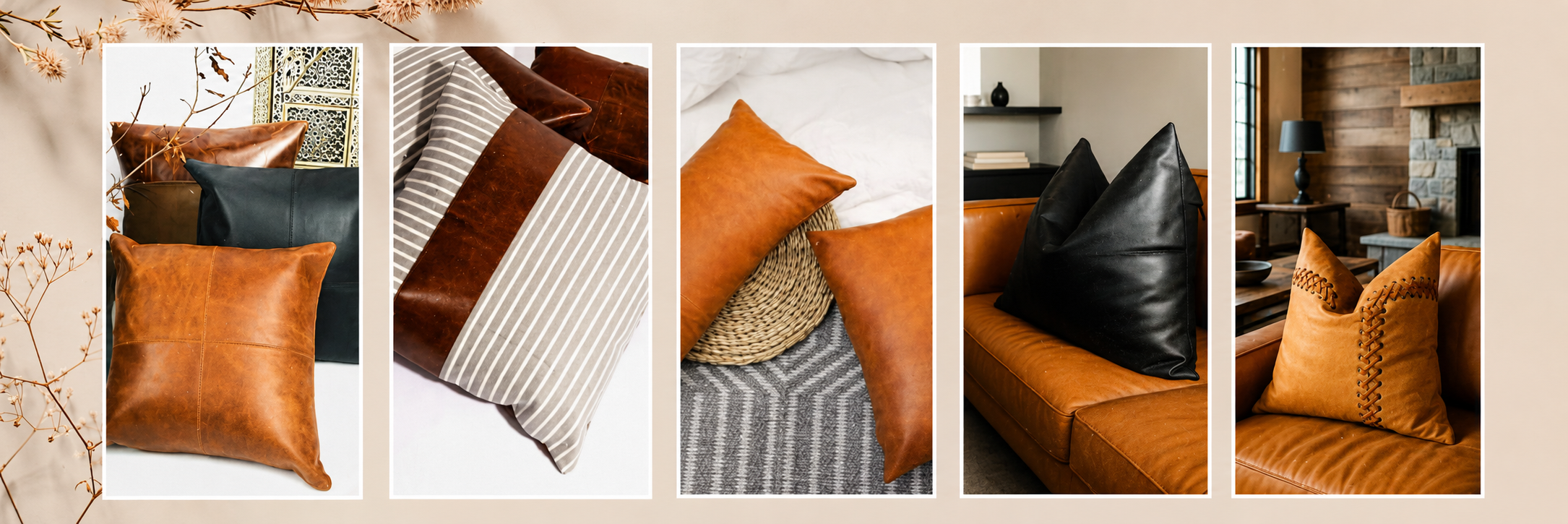
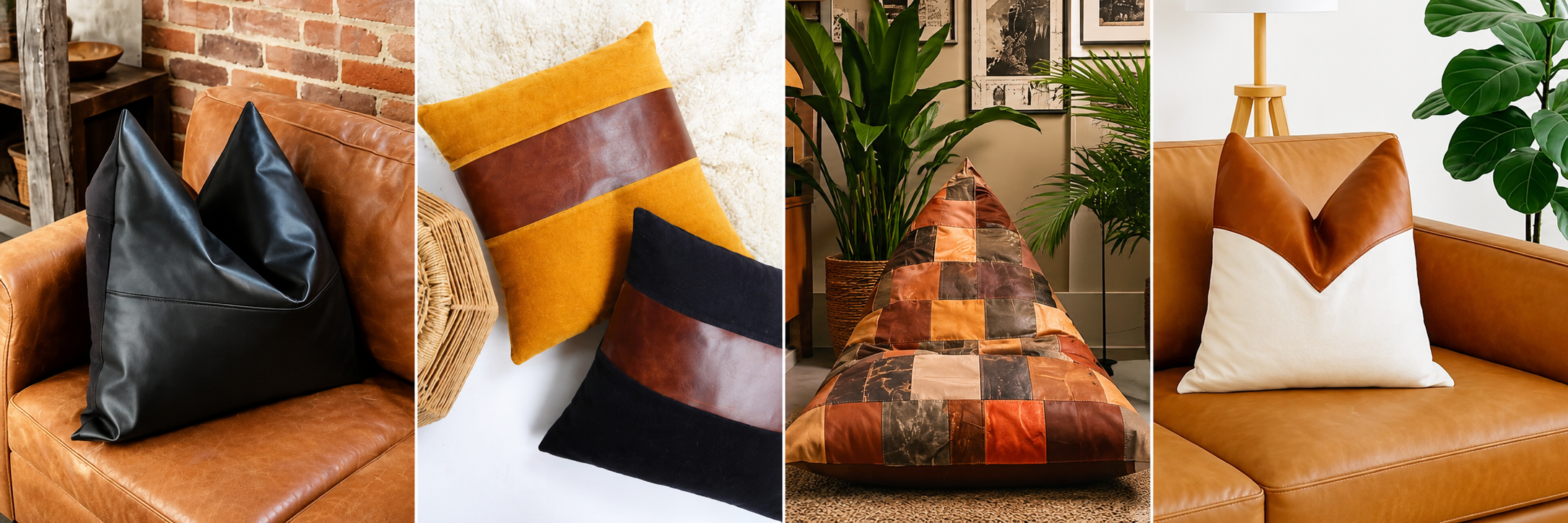
And most of the time, the problem is not the furniture. It’s that missing comfort layer that no one really thinks about in the beginning. That’s where leather cushions for furniture quietly make a difference. Not in a dramatic way, but in a way you start noticing after you sit for a while.
How to Improve Outdoor Seating Comfort Easily
Outdoor seating can be a bit misleading. From a distance, everything looks comfortable. But comfort is not something you judge by looking—it shows up only when you actually use the space.
You sit for ten minutes, and suddenly the seat feels harder than expected. The back doesn’t support you properly. If it’s daytime, the surface might even feel slightly warm because it has been in the sun. None of these are big issues individually, but together they slowly push you out of the space.
The interesting part is that fixing this doesn’t require big changes. You don’t need to replace your furniture or redesign the area. You just need to notice what’s making you uncomfortable and fix that one thing at a time.

1. Choose the Right Cushion Material
This is one of those things people ignore in the beginning because everything looks similar in the shop or online. But after a few days outside, you start noticing the difference.
Some cushions heat up quickly. You sit on them, and within a minute, it feels uncomfortable. Others feel fine in the morning but become rough or dusty by evening.
It’s not about buying something expensive. It’s more about choosing something that behaves well outside. A cushion's fabric that doesn’t trap heat too much and doesn’t feel suffocating when you sit on it. This becomes even more important when comparing leather vs fabric outdoor sofa cushions, because both materials feel very different after long hours of outdoor use.
You’ll know it’s the right material when you stop thinking about it. It just feels normal, and that’s exactly what you want.
2. Improve Seat Support for Daily Comfort
There’s a small misunderstanding people have—"soft" means "comfortable." But that’s not always true. A very soft cushion can feel good for a minute, and then suddenly you start sinking into it. After that, your body keeps adjusting because it’s not getting proper support.
Thin cushions have the opposite problem. They look clean and minimal, but after a while, you can feel the hard base underneath.
Somewhere in the middle is what actually works. A cushion that holds its shape and supports your body without making you think about it. When support is right, you don’t shift around every few minutes. You just sit, and it feels fine.
3. Add Back Support for Relaxed Sitting
This is one of those things you don’t realize until you fix it. You sit outside, and after a while, you notice you’re leaning forward or slouching a bit. It’s subtle, but your body is trying to adjust because the back isn’t supported.
Adding a simple cushion behind your back changes that instantly. It’s not a big upgrade, but it makes sitting feel more natural.
If you ever plan to sit outside for longer—reading something, working, or just relaxing—this becomes even more important. Without support, your body gets tired faster than you expect.
4. Use Weather-Friendly Cushion Designs
Outdoor cushions don’t live an easy life. They deal with sunlight, dust, and sometimes unexpected moisture. If they’re not made for this, they slowly start changing.
You might not notice it on day one, but after some time, the fabric doesn’t feel the same. It might get rough, or it might stay damp longer than it should.
That’s when comfort drops, even though nothing looks obviously wrong. Cushions designed for outdoor use handle this better. They stay closer to how they felt in the beginning, which means you don’t have to keep replacing or fixing things.
5. Improve Seating Arrangement
Sometimes, the issue is not the cushion or the chair. It’s just how everything is placed. If the setup feels tight, even good seating can feel uncomfortable. There’s no space to move, and the area feels a bit closed.
I’ve noticed that even a small change in spacing can make a difference. Moving things slightly apart, opening up the layout—it suddenly feels easier to sit there. You don’t need to add anything new. Just give the space a little breathing room.
6. Use Layered Cushioning for Extra Comfort
One cushion works, but two can feel better. Not in a complicated way. Just a base cushion for support and something softer on top. That combination usually feels more balanced.
This is where outdoor seat cushions become useful, because they add that extra layer without making the setup complicated.
It also gives you some flexibility. On some days, you might want a softer feel. On others, you might prefer more support. Layering lets you adjust without overthinking it.

7. Choose Easy-to-Maintain Materials
Outdoor cushions get dirty faster than you expect. Even if the area looks clean, dust settles quietly. If cleaning them feels like too much effort, they often get ignored. And once that happens, comfort slowly goes down.
That’s why easy maintenance matters. If you can quickly clean or wash them without hassle, you’re more likely to keep them in good condition. It’s one of those small things that keeps the space usable without extra effort, especially when using outdoor seat cushions regularly.
8. Match Cushion Thickness with Usage Needs
Thickness is often chosen based on how it looks, but it really depends on how you use the space.
If you sit for short periods, thinner cushions might be enough. But if you like spending time outdoors, they won’t hold up well.
Medium or slightly thicker cushions usually work better for regular use. They give enough support without feeling too heavy.
That’s why choosing the right cushions for outdoor furniture matters, because it directly affects how comfortable your seating feels.
Why Small Changes Make a Big Difference
Outdoor comfort doesn’t come from one big decision. It comes from small adjustments that quietly improve how the space feels. When the cushion feels right, the support is there, and the layout doesn’t feel cramped, everything starts working together.
You don’t think about comfort anymore. You just sit down, and it feels easy. That’s when the space becomes part of your routine instead of something you use occasionally. Even something as simple as the right cushion cover can help outdoor furniture feel cleaner, more comfortable, and easier to use every day.
Outdoor Comfort Checklist
Before you settle everything, it helps to think through a few basic things. Not in a technical way, just simple checks:
- Are the cushions actually suitable for outdoor use?
- Does the seating support your back properly?
- Can you clean the material easily without effort?
- Does the thickness match how long you sit?
- Is there enough space to move around comfortably?
If these things feel right, the setup usually works well.
Common Mistakes to Avoid
Most discomfort comes from small decisions that seem fine at first. Using indoor cushions outside is a common one. They don’t handle the weather well, so they lose comfort quickly. Ignoring back support is another—it doesn’t feel important until you sit for longer periods.
Focusing only on how things look can also create problems. Something may look clean and stylish but not feel comfortable at all. And then there’s overcrowding. Too much furniture in a small space makes everything feel tighter than it should.
Conclusion
Improving outdoor comfort is not about making big changes or buying new furniture. It’s about noticing what doesn’t feel right and fixing that.
The right cushions, a bit of support, and a slightly better layout can completely change how the space feels. Outdoor cushions might seem like a small detail, but they’re often the reason a space goes from "looks good” to something you actually enjoy using every day."